




Home / Products / Sandblasting Abrasives
Sandblasting & Shot Blasting AbrasivesSandblasting Abrasives: Steel Grit, Steel Shot, Garnet
Sandblasting abrasives and metal shot for sandblasting machines, blast rooms and shot blasting machines. We help you choose the right type, grit size and hardness for your workpieces.
The right abrasive for every job
The abrasive decides working speed, surface profile and cost per square metre. Metal abrasives cost more per kilogram, but they can be reused hundreds of times, so their running cost is low in shot blasting machines and enclosed blast rooms.
For open blasting in the field, garnet is usually more practical.
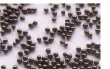 Steel shotRound steel shot for cleaning and shot peeningRound · 40–60 HRC
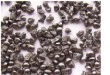 Steel gritAngular steel grit for surface profile before paintingAngular · 42–66 HRC
 Stainless steel shotFor aluminum, copper and stainless without rust stainingØ 0.05–3.0 mm
 Cut wire shotCut wire for die castings and precision partsØ 0.3–2.5 mm
 Garnet sandHard, sharp mineral with low dust, for field workOpen blasting
 Glass beadsRound glass beads for a smooth satin finishFine finishing
Steel shot and steel grit
Used in drum, crawler, hook, turntable and roller conveyor shot blasting machines, shot peening machines, steel plate and profile pretreatment lines, and blast rooms.
Steel shot is round, for cleaning and shot peening. Steel grit is angular, for surface profile before painting.
Suited to shot blasting machines and sandblasting rooms with abrasive recycling.
| Specification | Steel shot | Steel grit |
|---|---|---|
| Shape | Round, cast steel | Angular, cast steel |
| Carbon (C) | 0.70–1.20% | 0.70–1.20% |
| Manganese (Mn) | 0.35–1.20% | 0.35–1.20% |
| Silicon (Si) | 0.40–1.20% | 0.40–1.20% |
| Sulfur (S) · Phosphorus (P) | ≤ 0.05% · ≤ 0.05% | ≤ 0.05% · ≤ 0.05% |
| Hardness | Standard 40–50 HRC; special 52–56 and 56–60 HRC | GP 42–50 HRC; GL 56–60 HRC; GH 63–66 HRC |
| Hardness deviation | Max. ± 3.0 HRC | Max. ± 3.0 HRC |
| Microstructure | Uniform tempered martensite or bainite | Uniform tempered martensite or bainite |
| Minimum density | 7.2 g/cm³ | 7.4 g/cm³ |
Stainless steel shot and cut wire shot
Stainless steel shot
Bright and rust-free, for aluminum, copper, zinc and stainless without leaving rust stains.
- Cut & conditioned: Ø 0.2–2.0 mm
- Atomized: no pores, long service life, Ø 0.05–3.0 mm
Cut wire shot


Cut wire Ø 0.3–2.5 mm for die castings, precision castings, automotive parts, pumps and valves, and thin-walled parts.
Garnet sand and glass beads
Garnet sand
A hard, sharp natural mineral with far less dust than silica sand. The usual choice for blasting rust and old paint in the field and preparing surfaces before painting.
View productGlass beads
Round glass beads that give a smooth, even satin finish without removing much material. Suited to stainless, aluminum and moulds.
View productQuestions about sandblasting abrasives
What is sandblasting sand?
Sandblasting sand is the common name for the abrasive a sandblasting machine sprays. Today it is not river sand or plain silica sand, because silica dust is harmful to the lungs, but purpose-made abrasives such as garnet, steel grit, steel shot and glass beads.
What is the difference between steel shot and steel grit?
Steel shot is round and peens the surface, so it suits cleaning and shot peening with a relatively smooth result. Steel grit is angular and cuts the surface, giving a deep profile for paint or coating adhesion.
Which abrasives can be reused?
Steel shot, steel grit, stainless steel shot and cut wire shot can be reused many times in a shot blasting machine or a blast room with abrasive recycling. Garnet can be reused a few times, while glass beads break down faster.
How do I order?
Send us the machine you use, the workpiece material, the surface finish you need and your estimated monthly volume. We will help you choose the right type, grit size and hardness.
See also our shot blasting and sandblasting machines.