





Polishing stainless steel parts one by one with a grinder and polishing cloth works, but it is slow, the result is uneven, and it takes a lot of labour. For small to medium parts in the hundreds or thousands, factories use mass finishing: the parts go into a polishing machine with media and polishing liquid, and are all processed at once. This article explains the steps, the choice of machine and media, and tips for a bright, stain-free finish.
Why stainless steel needs special care
Stainless steel resists rust because of a very thin chromium oxide layer on its surface. This layer can be damaged when the surface is contaminated with ordinary iron, for example from media or equipment previously used on carbon steel. Rust spots then appear. So for stainless steel:
- Use media and containers that are only used for stainless, or clean the machine thoroughly before changing material.
- Choose ceramic, plastic or resin media, or stainless steel shot, not carbon steel media.
- Use a polishing liquid that suits stainless steel and leaves no stains.
Steps for polishing stainless steel
- Deburring and levelling. Remove burrs, cutting marks and coarse scratches. Usually done with ceramic media and grinding fluid.
- Smoothing. Smooth the surface with finer media, such as plastic media or resin media, until the scratches from the first step are gone.
- Cleaning. Rinse off leftover compound and dirt with a cleaning agent, so it is not carried into the final step.
- Final polishing. For a bright finish, use fine polishing media or stainless steel balls with a brightener.
- Drying. Dry straight away with a centrifugal dryer or a vibratory dryer so no water marks remain.
Not every part needs all five steps. Parts that are already fairly smooth from earlier processes can go straight to smoothing or polishing.
Choosing a stainless steel polishing machine
| Machine | Best for | Notes |
|---|---|---|
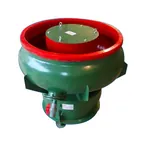
| Vibratory machine | Most small to medium parts, routine production | Versatile, gentle on parts that must not knock hard |
| Centrifugal disc | Small parts that need fast processing | Much faster than vibratory for small parts |
| Magnetic polishing | Very small, precise, hollow or threaded parts | Fine steel pins reach holes and narrow gaps |
| Rotary barrel | Small parts that can take impact, low cost | Slower, suits simple polishing |
Tips for a bright, clean finish
- Get the media-to-parts ratio right. Too many parts makes them rub against each other and leave marks.
- Keep the liquid flowing. Too little polishing liquid makes the media dirty quickly; too much reduces the cutting action.
- Replace or clean media regularly. Worn or dirty media lowers the shine and can leave stains.
- Test with samples first. The right process time differs for every shape and starting condition.
- Dry straight away. Stainless left wet can show water marks and stains.
Common mistakes
- Using media or a machine previously used for carbon steel without cleaning it, which causes rust spots.
- Going straight to polishing before the coarse scratches are gone, so the shine is uneven.
- Using ordinary soap or detergent instead of a polishing liquid, which causes too much foam and stains.
Common questions
Can stainless steel be machine polished to a mirror finish?
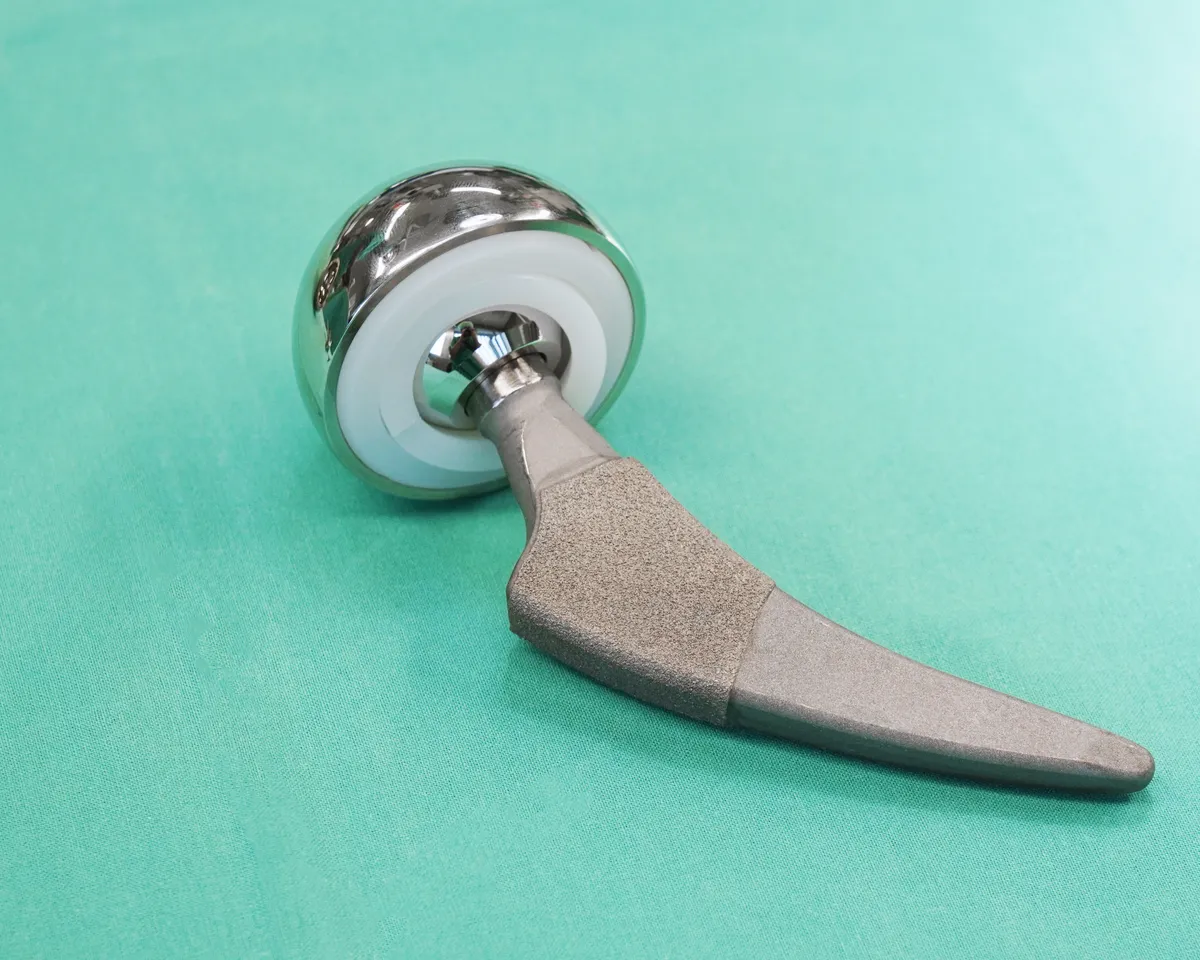
Yes, for many parts such as medical implants and jewellery, with staged media and a brightener. The final result depends on the starting surface.
How long does it take?
It depends on the machine, the media and the starting condition of the parts, from tens of minutes in a centrifugal disc to several hours in a vibratory machine. A sample test gives the exact figure.
What about the process water?
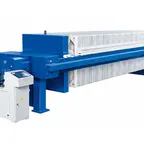
Used process water contains metal particles and leftover compound. It can be separated with a filter press so the water can be treated further or reused.
Send us photos of your stainless parts and the finish you want, and we will help you choose the machine, media and polishing liquid.